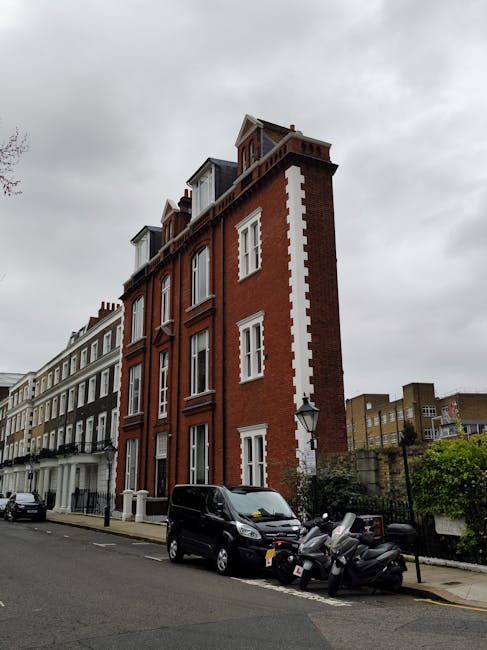
West Kensington removal permits and Kensington council rules
If you are planning a move in West Kensington, the paperwork can feel more awkward than the packing. A sofa is one thing; finding space for a van on a narrow street is another. West Kensington removal permits and Kensington council rules matter because even a smooth home move can go sideways if parking, loading, or access is not sorted early. The good news? Once you understand the basics, the process becomes much more manageable, and a lot less stressful.
This guide walks through what a removal permit usually means in practice, how local parking and access rules affect moving day, what to check before booking a vehicle, and how to avoid the kind of last-minute problems that turn a Tuesday move into a small disaster. A bit of planning goes a long way here. Honestly, more than people expect.
Why West Kensington removal permits and Kensington council rules matter
In West Kensington, the issue is rarely the move itself. It is usually the street outside. Loading bays, resident bays, yellow lines, controlled parking zones, time restrictions, suspended spaces, and building access rules can all shape how your move runs. If you ignore them, you may end up parking too far away, delaying the crew, blocking traffic, or risking a penalty. None of those are fun on moving day.
Kensington council rules are important because local streets are busy, tightly managed, and often shared by residents, tradespeople, deliveries, and removals. Even if you only have a small vehicle, the rules around where it can stop and for how long may still apply. And if you are moving from a flat, the building management may have its own requirements as well. That means you may be dealing with more than one set of rules at once. Lovely, isn't it?
The real value of understanding permits is simple: you keep the move moving. A properly planned parking arrangement reduces delays, avoids arguments with neighbours, and helps the crew work safely. It also makes it easier to protect furniture, carpets, stairwells, and the general peace of the building. When a van can load close to the entrance, everything gets quicker and calmer.
Expert summary: for most West Kensington moves, the key risk is not the lifting or the packing, but access. Sort access first, then the rest becomes much easier.
If you are comparing moving support, it is worth looking at removal services that already understand local access issues, as well as support pages such as home moves, flat removals, and man and van options where smaller vehicles can sometimes suit tighter streets better.
How West Kensington removal permits and Kensington council rules works
At a practical level, the process usually starts with the parking situation outside your property. You need to ask: can a van stop where it needs to stop, and for long enough to load safely? If the answer is no, you may need permission, a temporary suspension, or a different vehicle plan. The exact requirement depends on the street, the time of day, and the type of bay or restriction in place.
For some moves, the parking space must be reserved or suspended so the removal vehicle can load directly outside. For others, the vehicle may need to use a legal loading area or park farther away and carry items over a shorter or longer distance. If your building has a shared forecourt, private driveway, or managed loading area, there may also be separate building rules to follow. This is where people often get tripped up. They check one rule and miss the other one.
Another thing to remember is that removal rules are not just about parking. They can also involve timing, noise, access routes, and safe use of common areas. In a block of flats, for example, you may need to respect lift booking times, protect communal hallways, and avoid busy periods when neighbours are coming and going. One small delay in the lift can throw off the whole day. We have all seen that kind of thing happen.
The best approach is to treat the move as a coordination job, not just a transport job. The van, the route, the access point, the building management, and the council rules should all line up before anything is lifted. If you need more structured support, pages like house removals, office removals, and student removals show how different move types may need different access planning.
Key benefits and practical advantages
Getting the permit and council-rule side right has real, everyday benefits. The first is time. A van parked legally and close to the entrance saves repeated trips, missed slots, and unnecessary waiting. The second is safety. Fewer carries across busy roads or uneven pavement means lower risk of damage or injury. The third is predictability. You know where the van will be, how long it can stay, and what the crew can do when it arrives.
There is also a mental benefit, which people tend to underestimate. Moving is stressful enough without wondering whether the driver is about to get moved on by enforcement or whether a neighbour will complain. When access is organised properly, the whole day feels more controlled. It is one less thing to think about, and that matters when you are juggling keys, boxes, paperwork, and probably a kettle somewhere in a labelled bag.
For businesses, the upside is even clearer. Office moves and commercial relocations often depend on strict timing, building rules, and loading access. A small access issue can affect staff, deliveries, and downtime. If you are planning a workplace move, it is worth reviewing commercial moves and office relocation services early in the planning stage.
- Less risk of parking tickets or enforcement issues
- Faster loading and unloading
- Better protection for furniture and fittings
- Reduced disruption to neighbours or building users
- Clearer scheduling for movers, lift bookings, and handover times
To be fair, the advantage is not just compliance. It is convenience. And in a London move, convenience is gold.
Who this is for and when it makes sense
This topic matters to anyone moving in or out of West Kensington, but some people need to pay much closer attention than others. If you live on a busy street, in a controlled parking zone, in a block of flats, or in a property with awkward access, you should assume some kind of permit or parking control may be part of the process. If you are moving on a weekday morning, even more so.
It also matters if you are using a larger removal vehicle. A bigger lorry may make loading easier inside, but it can be harder to place legally on a narrow road. In that case, a smaller vehicle or a different loading plan may be more sensible. That is why services like removal van, moving truck, and removal truck hire can suit different move sizes and access conditions.
Students, flat-sharers, and people moving a few rooms' worth of belongings often need a lighter-touch solution, but that does not mean the rules disappear. A small van still has to stop legally. A quick, efficient move can still get delayed by a bad parking choice. For that reason, even simpler moves benefit from planning. Same-day moves especially need this, because there is less room to correct a mistake later.
If you are not sure whether your move is small enough to avoid permit-related headaches, ask yourself: can a vehicle reasonably stop right outside for loading? If the answer feels uncertain, assume you need a plan. Better to check than to improvise on the pavement with a trolley and crossed fingers.
Step-by-step guidance
Here is a practical way to handle West Kensington removal permits and Kensington council rules without making the process harder than it needs to be.
- Check the property and street conditions early. Look at the road outside, nearby parking bays, yellow lines, and any signs about loading restrictions or time limits.
- Confirm building access rules. Ask about lift bookings, delivery windows, security entry, concierge procedures, and stair protection.
- Estimate the vehicle size you actually need. A one-bed flat and a four-bed house do not need the same vehicle plan. Be realistic.
- Ask whether a permit, suspension, or alternative loading arrangement is needed. If parking is tight, do this before booking the move date.
- Allow time for loading. Even a tidy move needs breathing room. Boxes, wardrobes, and awkward items always take longer than the optimistic estimate.
- Brief everyone involved. The driver, the movers, and the building contact should all know the access plan.
- Prepare the property for safe movement. Clear hallways, protect surfaces, and keep essentials separate.
- Keep documentation handy. If any permit, building pass, or booking confirmation is needed, have it ready on moving day.
A good moving plan is basically a series of small decisions done early. Nothing dramatic. Just steady, practical organisation.
If packing is still underway, it can help to pair access planning with packing and boxes or packing and unpacking services. The more streamlined the contents, the easier it is to keep the loading window under control.
Expert tips for better results
One of the smartest things you can do is build a margin into the day. Not just time, but access. If the ideal loading spot is likely to be busy, have a backup position in mind. If the building lift is slow or shared, schedule around peak movement if possible. Small buffers save large headaches. It really is that simple.
Another useful habit is to measure awkward items before the day arrives. Sofas, wardrobes, mirrors, piano cases, and large office furniture can change the access plan. Sometimes the issue is not the street. It is the staircase. Or the turn in the hallway. Or the lift doors being a touch too narrow. A five-minute check can prevent a very sweaty moment later.
For multi-room or specialist moves, speak plainly with the removals provider about access. Tell them about steps, basement entrances, one-way streets, resident permits, and any loading restrictions you already know about. The more honest the brief, the better the plan. If you have heavier items, services such as piano removals or furniture removals may also need extra consideration.
And here is a small human tip from experience: if a move is happening on a damp London morning, pack for the weather too. Wet cardboard, slippery steps, and a narrow pavement are not a great combination. It sounds obvious after the fact, of course.
- Take photos of parking signs and access points before move day
- Keep keys and access fobs in one clearly marked pouch
- Label boxes by room, not just by item type
- Reserve a small emergency space for essentials and valuables
- Ask the building contact what time restrictions apply, if any
Common mistakes to avoid
The biggest mistake is assuming the move vehicle can just "find somewhere nearby." In West Kensington, nearby does not always mean legal, and legal does not always mean convenient. If the van ends up two streets away, the move gets harder immediately. That means more walking, more handling, and more time exposed to traffic or weather.
Another common issue is leaving permit and access checks until the day before. By then, your options may be limited. You can still solve things sometimes, but it becomes much more stressful. People also forget to check the return journey if they need the vehicle to come back for a second load. That second trip can be where the parking problem appears.
It is also easy to underestimate communal building rules. Flats often come with quiet hours, lift booking rules, or instructions about protecting shared areas. Ignore those, and you may not just annoy neighbours; you may slow yourself down because staff or residents need to intervene. Nobody wants that conversation in the lobby.
A few other avoidable errors:
- Booking the wrong vehicle size for the street
- Forgetting to tell the mover about basement or upper-floor access
- Not checking if the driveway or forecourt is private or shared
- Assuming unloading rules are the same as loading rules
- Leaving bulky items unmeasured until moving day
Truth be told, most moving problems are not dramatic. They are tiny planning gaps that snowball. The fix is usually simple. Check earlier, ask more clearly, and write it down.
Tools, resources and recommendations
You do not need a huge toolkit to handle this properly, but a few simple things help a lot. A phone camera is useful for capturing signs, kerb markings, access routes, and any building instructions. A notepad or note app is handy for times, contact names, and booking details. A tape measure is almost boringly useful, especially for big furniture and awkward turns.
From a service-planning angle, it can help to compare the kind of support you need before you lock anything in. For example, a compact move may suit a man with van arrangement, while a larger family relocation may be better supported by house removals or house removalists. If you want a single overview of available support, the main removals page is a sensible starting point.
Storage can also be a smart short-term answer if access or timing is messy. Let's say you are between tenancies, or the new place is not quite ready. Temporary storage can reduce pressure and let you stagger the move, which is often easier than forcing everything into one tight window. See storage if that sounds relevant.
If you need pricing clarity, it is also wise to review pricing and quotes alongside the moving plan. A quote is only useful if the access assumptions are clear. Otherwise, the number on screen can change once the realities of the street show up.
Law, compliance, standards and best practice
When people say "council rules," they usually mean the combination of parking restrictions, loading rules, local enforcement expectations, and building-level access conditions. In the UK, local authority parking controls and traffic orders can affect how long a vehicle may stop, where it may wait, and whether a space can be reserved or suspended. That framework is what sits behind many removal-day decisions.
You should also keep in mind that removal work itself has safety and duty-of-care implications. Movers should work in a way that avoids needless risk to people, property, and public spaces. That means careful lifting, safe route planning, and sensible handling of corridors, stairways, and external access areas. If a provider has clear health and safety policy and insurance and safety information, that is usually a reassuring sign they take the practical side seriously.
Best practice is not just about avoiding penalties. It is about showing respect for neighbours, keeping disruption down, and making sure the move is defensible if anything is questioned later. You want to be able to say, calmly, that the parking was checked, the access plan was clear, and the move was done properly. That kind of record matters more than people think.
If you are arranging removals in a managed building, it is also good practice to follow the building's own move rules, protect communal areas, and avoid blocking shared entrances. Some blocks are quite strict, and frankly that is understandable. Nobody wants scratches on the lift or a jammed doorway because a wardrobe was angled badly.
Options, methods and comparison table
Different move types need different access strategies. Here is a simple way to compare them.
| Move type | Best for | Typical access challenge | Practical note |
|---|---|---|---|
| Man and van | Small flats, student moves, quick collections | Short-term loading space and legal stopping | Good when the street is tight and the load is manageable |
| Removal van | Medium household moves | Parking close to the entrance | Often the best balance of size and flexibility |
| Moving truck | Larger homes, bulkier furniture, office contents | Street width, turning space, and loading rules | May need more careful planning in residential streets |
| Storage-first move | Staggered handovers or delayed completion | Double handling and temporary holding | Useful when dates do not line up neatly |
If you are still deciding, it helps to think in terms of access before vehicle size. A smaller vehicle that can park legally and load quickly may outperform a bigger one that cannot get close. Not glamorous, but true.
Case study or real-world example
Imagine a two-bedroom flat near West Kensington where the residents are moving out on a Friday morning. They have a sofa, a bed frame, two wardrobes, boxed kitchen items, and a couple of heavy mirrors. At first glance, it feels like a straightforward domestic move. But the street is busy, the building entrance is narrow, and the only obvious parking is already occupied.
The sensible plan is not to force a large truck into the road and hope for the best. Instead, the move is structured around access. The team checks the building's lift booking, confirms the loading window, and uses a vehicle size that suits the street. Boxes are grouped by room. The heaviest items are loaded first. A clear route is kept through the hallway. Nothing fancy. Just preparation.
The difference is noticeable. The van gets in, the loading happens without drama, and the residents are not standing around wondering whether the driver will be fined. There is still a little stress, because moving is moving, but it is the manageable kind. The sort you can live with. That, in practice, is what good permit and council-rule planning gives you.
For a different kind of example, think about an office relocation in a mixed-use building. Staff need access, the reception area must stay clear, and the landlord may have a fixed schedule for deliveries. In that case, checking office removals or broader commercial moves support can help align the move with building requirements instead of fighting them.
Practical checklist
Use this checklist as a final pre-move sanity check. It is simple, but it catches most problems before they turn up in real life.
- Confirm the moving date and time
- Check street parking, loading restrictions, and bay types
- Ask whether any permit, suspension, or booking is needed
- Review building access rules and lift bookings
- Measure large furniture and note awkward corners or stair turns
- Tell the mover about upper floors, basements, or shared entrances
- Prepare packing materials and label boxes clearly
- Protect floors, door frames, and shared areas
- Keep contact numbers and booking confirmations close by
- Have a backup plan if the best parking spot is occupied
One small line to remember: if access looks difficult on a normal day, it will feel even tighter on moving day.
Get a free quote today and see how much you can save.
Conclusion
West Kensington removal permits and Kensington council rules are not there to make your life harder. They are there because streets are busy, spaces are limited, and everyone needs a fair way to share the road. Once you understand that, the process gets easier to work with. Check the access early, match the vehicle to the street, respect building rules, and leave yourself a bit of breathing room.
That is the real trick. Not perfection. Just preparation.
If you approach the move that way, you will usually find the day feels calmer, quicker, and much less chaotic than expected. And that is a lovely thing when there are boxes everywhere and someone has packed the kettle in the wrong van.
Frequently Asked Questions
Do I always need a permit for a removal in West Kensington?
Not always. It depends on where the vehicle needs to stop, what parking restrictions apply, and whether the move can be done entirely within legal loading space. Some moves need no special permit at all, while others need a planned parking arrangement or space suspension.
Who is responsible for sorting the parking or permit?
That depends on the mover you hire and the setup of the property. In practice, the customer often needs to provide accurate access details, while the removal provider helps decide what vehicle and stopping arrangement is suitable. The key is to clarify this early rather than assuming someone else has handled it.
Can a removal van just stop briefly to load?
Only if it is allowed to stop there. Brief stops are still subject to local restrictions, and "just a minute" is not a legal defence if the location is not permitted. This is one of those annoying but important realities.
What if I am moving from a flat with no private parking?
Then access planning becomes even more important. You may need to use nearby legal loading space, arrange a temporary suspension, or choose a smaller vehicle that can work within the restrictions. Flat moves often need a bit more thought than houses do.
Do building managers have their own move rules?
Yes, often they do. These can include lift booking times, protection for communal areas, restrictions on noise, and approved move windows. Always check the building rules as well as any street-level parking rules.
Is a bigger truck always better for removals?
No. A bigger truck may hold more, but it can be harder to park and manoeuvre in West Kensington. Sometimes a smaller van is actually the smarter choice because it can stop closer to the property and finish the job faster.
How far in advance should I check access and parking?
As early as possible. Ideally, do it while confirming the moving date, not the day before. That gives you time to deal with any restriction, booking, or access issue without rushing.
What happens if the parking spot is already taken on moving day?
You need a backup plan. That might mean waiting briefly, using a different legal stopping place, or adjusting the loading approach. This is why it helps to know the street conditions in advance rather than hoping for the best.
Are council rules different for home moves and office moves?
The parking rules themselves may be similar, but the overall planning is often different. Office moves usually involve stricter timing, more people, and more building coordination. Home moves are often more flexible, though not always by much.
Can I use storage if my move dates do not line up?
Yes, storage can be a very practical solution if completion dates, access windows, or tenancy handovers do not match neatly. It can reduce pressure and give you more control over the move sequence.
What is the biggest mistake people make with West Kensington moves?
Leaving access planning too late. Most problems around permits, parking, and council rules become much harder to fix once the van is booked and the boxes are already by the door. Early checks save time, money, and stress.
Where should I look if I want help with the move itself?
Start with the service that matches your move size and property type, such as removal services, home moves, or flat removals. If you are still comparing options, the pricing and quotes page can help you frame the next step.